
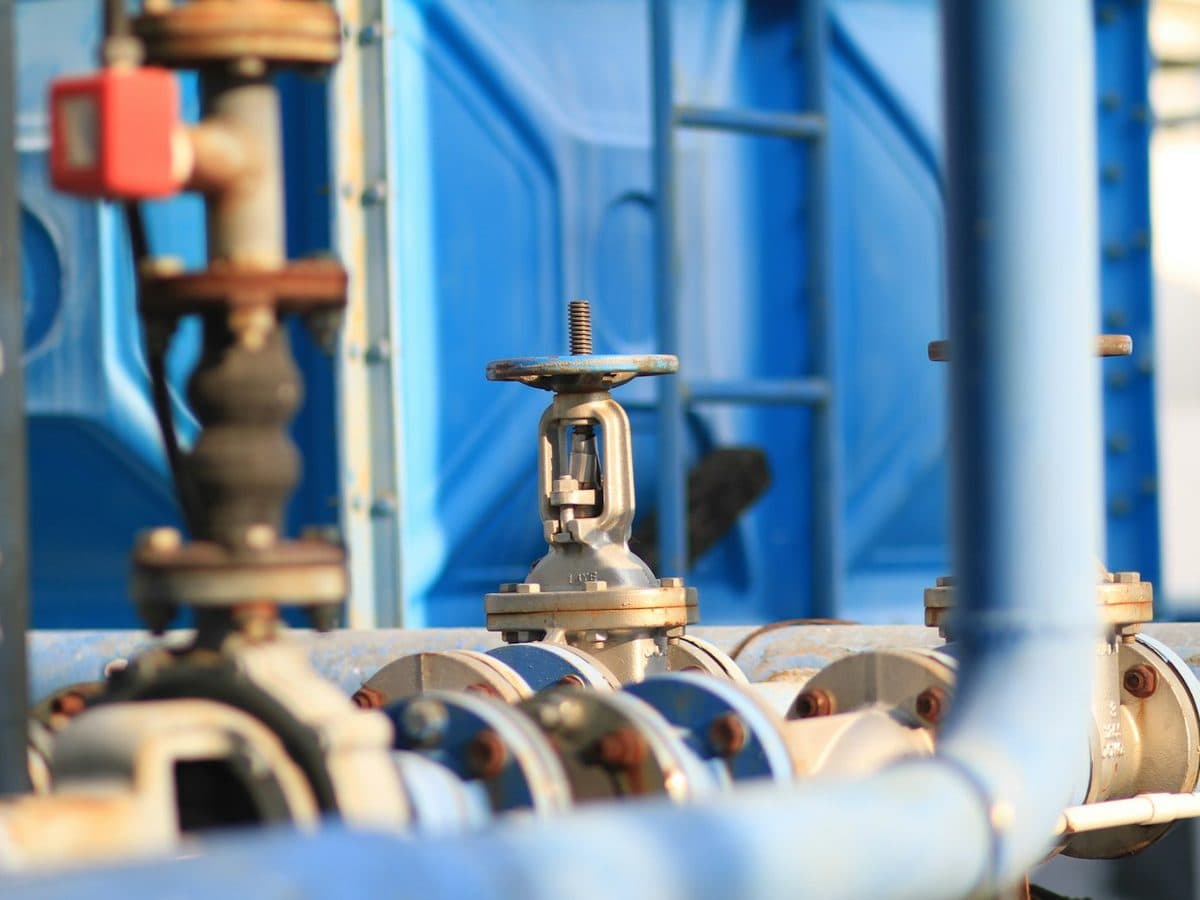
Well Service Chemicals
Keeping a producing well online comes down to a handful of recurring problems: corrosion, scale, iron plugging, H₂S, and fluids that won't flow back on their own. Our well service range addresses each of those directly, and every product in it is built to work alongside the rest, in both sweet and sour service.

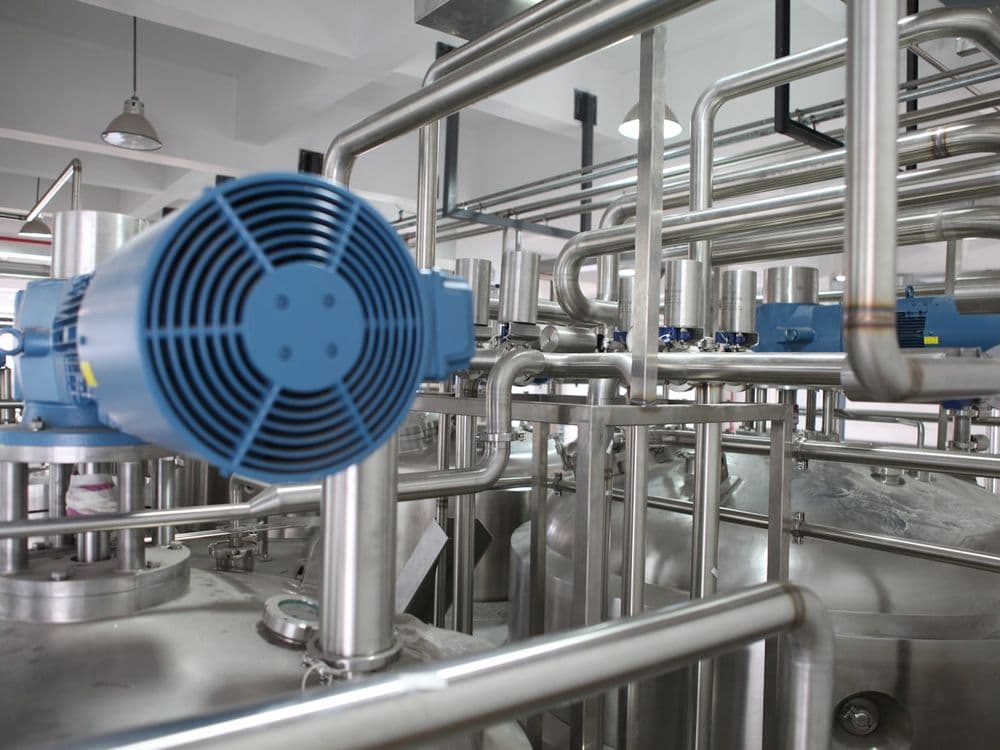
Where Well Service Chemicals Are Used
- Corrosion protection for tubing, casing, and surface equipment in sweet (CO₂) and sour (H₂S) service
- Post-frac and post-acid flowback and cleanup operations
- H₂S management for personnel safety and pipeline-spec gas quality
- Deliquification of loaded, low-rate gas wells
Product Range
Corrosion Inhibitors
Film-forming chemistries, imidazoline derivatives among them, that coat tubing, casing, and surface equipment to slow both CO₂ (sweet) and H₂S (sour) corrosion. The payoff is longer equipment life and fewer tubular failures down the line.
Flow Back Surfactants
Lower the interfacial tension between treatment fluid, formation water, and hydrocarbons so trapped fluids mobilize more easily during cleanup. Wells generally reach stable production faster as a result.
Iron Control Chelators
Keep dissolved iron, both Fe²⁺ and Fe³⁺, in solution instead of letting it drop out as iron hydroxide or iron sulfide sludge, which otherwise plugs pore throats and perforations. Formulated to stay compatible with the acid, corrosion inhibitor, and H₂S scavenger already in the treatment.
Scale Dissolvers
Solvent systems that dissolve carbonate and sulfate scale already sitting in the wellbore or near-wellbore area, often recovering lost production without pulling the well for a full workover.
H₂S Scavengers
Polymeric, amine-based chemicals that react with dissolved or gaseous H₂S and convert it into safer, water-soluble sulfur compounds. Necessary both for crew safety in sour service and for keeping produced gas within pipeline H₂S specifications.
Foaming Agent
Surfactant-based foamers that lift accumulated liquid out of the wellbore, lowering the hydrostatic backpressure that would otherwise load up and kill a marginal gas well. A low-cost way to keep a loaded well producing longer.
Frequently Asked Questions
What is the difference between sweet and sour corrosion?
Sweet corrosion is caused by CO₂ in the produced fluid, while sour corrosion is caused by H₂S. Both attack steel tubulars, but they follow different mechanisms and often call for different inhibitor chemistry.
Why does iron need to be controlled during acid treatments?
Iron dissolved by the acid will drop back out of solution as pH rises during flowback, forming iron hydroxide or iron sulfide sludge that can plug the same pore throats the treatment just opened up.
How does an H2S scavenger work?
It reacts chemically with H₂S, converting it into a different, water-soluble sulfur compound that is no longer toxic or corrosive in the same way, rather than simply masking the odor.