

Stimulation Chemicals
EMA Chemicals supplies the acid additives, scale inhibitors, and solvent systems used in well stimulation across carbonate and sandstone reservoirs. Matrix acidizing and acid fracturing both come down to the same balancing act: dissolve near-wellbore damage and restore permeability without corroding the tubulars or leaving a mess behind for flowback to deal with. That balance is what our stimulation range is built around.
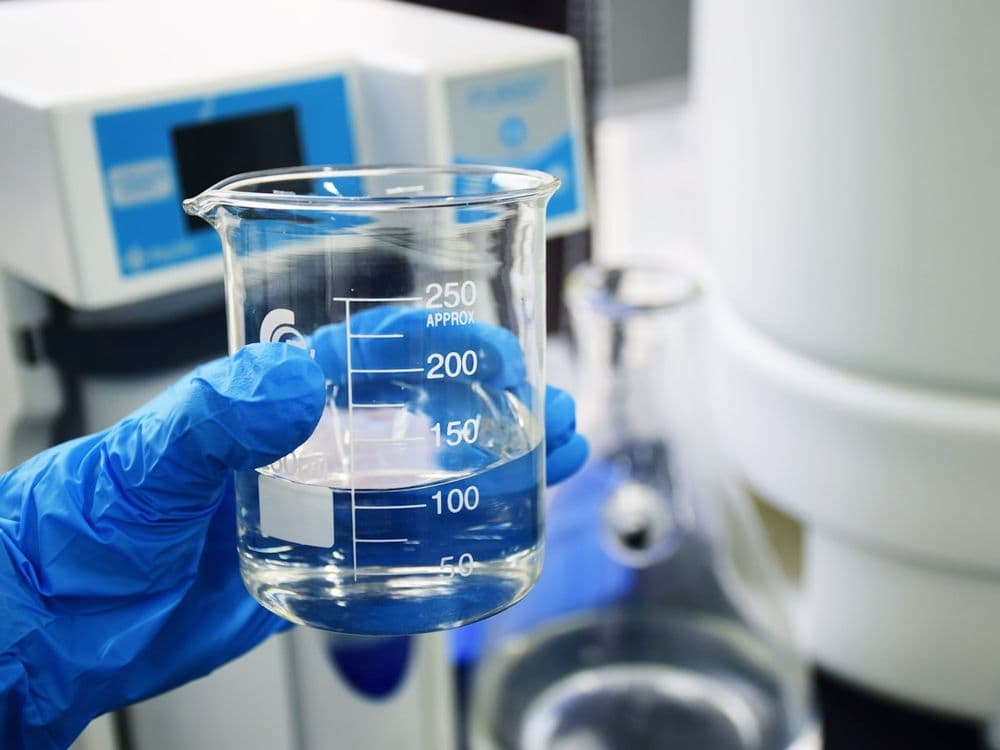

Where Stimulation Chemicals Are Used
- Matrix acidizing and acid fracturing in carbonate reservoirs
- Sandstone acidizing to remove drilling and completion damage
- Removing asphaltene, paraffin, and organic deposits near the wellbore
- Scale prevention in water systems with a high scaling tendency
Product Range
Acid Additives
Blended into HCl, mud, and organic acid systems for matrix acidizing and acid fracturing. The package usually includes acid corrosion inhibitors to protect the tubulars, iron control agents to keep dissolved iron from dropping out of solution, and surfactants that stop emulsions and sludge from forming as the acid spends against the rock.
Scale Inhibitors
Phosphonate and polymer chemistries, including ATMP, HEDP, and polyacrylate-based formulations, that stop calcium carbonate and barium sulfate scale from precipitating in tubing, valves, and near-wellbore pore spaces. Used in both squeeze treatments and continuous injection.
Organic Solvents
Aromatic and oxygenated solvents that dissolve asphaltene and paraffin deposits restricting flow. They also improve how well other treatment chemicals, corrosion inhibitors in particular, dissolve and travel through the same fluid.
Frequently Asked Questions
What is the difference between matrix acidizing and acid fracturing?
Matrix acidizing pumps acid below the formation's fracture pressure, so it moves through the existing pore spaces and dissolves near-wellbore damage. Acid fracturing pumps above fracture pressure to open new channels in the rock, then uses acid to etch those channels so they stay conductive after the treatment.
Why are corrosion inhibitors added to acid stimulation treatments?
Concentrated acid attacks steel tubulars almost as readily as it attacks the formation. A corrosion inhibitor slows that reaction on metal surfaces, so the acid can be pumped and left in the well long enough to do its job without damaging the tubing or casing.
What causes scale to form in oil and gas wells?
Scale forms when produced water becomes oversaturated with minerals such as calcium carbonate or barium sulfate, usually because of a drop in pressure or temperature, and those minerals precipitate out onto tubing, valves, and near-wellbore rock.